
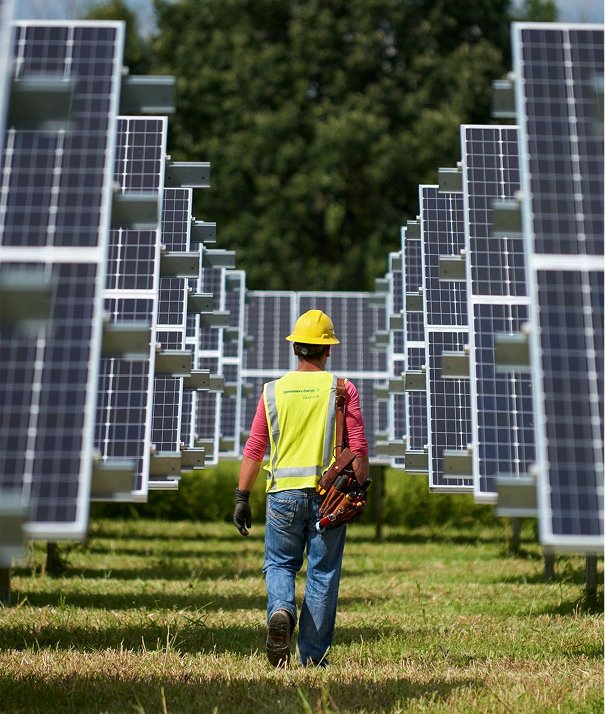
The Government of India continues to strengthen its commitment to renewable energy by introducing enhanced solar subsidy programs that make rooftop solar installations more affordable for homeowners. These initiatives aim to encourage families to adopt clean energy while reducing dependence on conventional electricity sources. Eligible residential consumers can receive financial assistance based on the capacity of the installed solar system, significantly lowering the overall investment required.
With the latest subsidy schemes, homeowners can enjoy reduced installation costs, lower monthly electricity bills, and faster returns on investment. In addition to financial savings, rooftop solar systems contribute to a cleaner environment by reducing carbon emissions and promoting sustainable energy generation.
Before applying, it is important to verify eligibility, understand the application process, and work with an authorized solar installation partner to ensure compliance with government guidelines. Investing in solar today not only helps reduce energy expenses but also supports India's vision for a greener and more energy-independent future.
The Government's rooftop solar subsidy initiative makes renewable energy more affordable, helping homeowners reduce installation costs while enjoying long-term financial and environmental benefits.

Government financial assistance significantly reduces the upfront investment required for installing rooftop solar systems, making solar energy more affordable for homeowners.

Generate your own electricity and reduce monthly electricity bills while protecting yourself from future increases in energy prices.

With government subsidies and continuous electricity savings, homeowners can recover their investment much sooner and enjoy decades of free solar power.

Rooftop solar systems produce clean renewable energy, helping reduce carbon emissions, air pollution, and dependence on fossil fuels.

Subsidy benefits are available for approved solar systems installed by authorized vendors, ensuring quality, safety, and long-term performance.

Generate electricity for over 25 years with minimal maintenance while achieving greater energy independence and long-term financial stability.
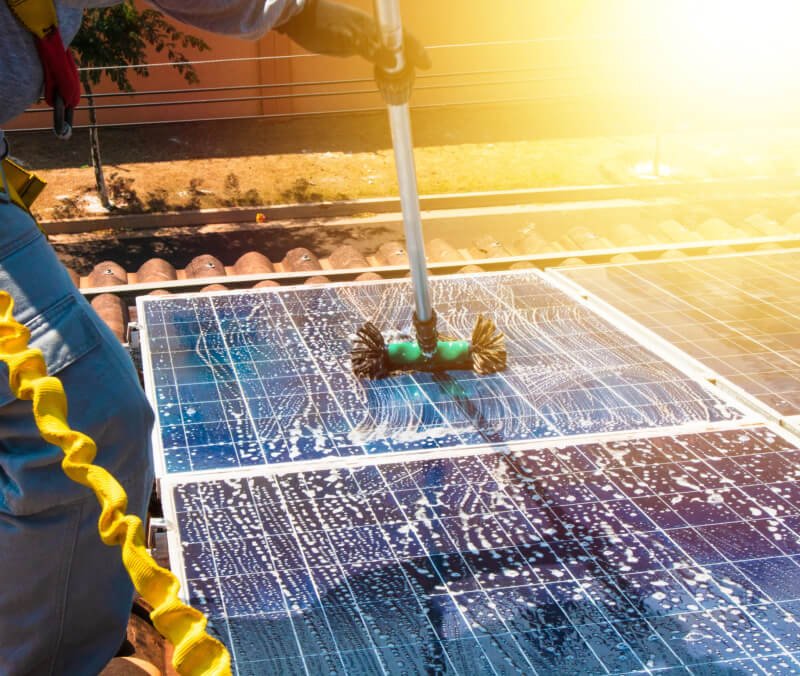
Applying for a rooftop solar subsidy has become much easier with the Government's simplified application process. Homeowners can complete the registration, choose an approved solar installer, and receive financial assistance after the successful installation and inspection of their solar power system.
Following the correct application process ensures faster approvals, maximum subsidy benefits, and a safe, high-quality solar installation that delivers reliable performance for decades.
Residential homeowners installing rooftop solar systems through government-approved vendors are generally eligible for subsidy benefits. Eligibility depends on the latest government guidelines, system capacity, and compliance with the prescribed installation process.
The subsidy amount depends on the installed system capacity and current government policy. Residential consumers may receive financial assistance that significantly reduces the overall installation cost. The exact amount is determined according to the latest MNRE guidelines.
Most government subsidy programs are intended for residential rooftop solar installations. Commercial and industrial projects may benefit from other incentives or financing options depending on applicable government policies.
The approval timeline varies depending on document verification, installation completion, inspection, and electricity distribution company approvals. Working with an authorized solar installer helps ensure a smoother and faster process.
Commonly required documents include identity proof, address proof, recent electricity bill, property ownership details, bank account information, and any additional documents requested by the authorized solar installer or government portal.
Net metering is highly recommended because it allows homeowners to export excess electricity to the grid and receive credits on their electricity bills, improving the overall financial return of the solar system.
High-quality solar panels typically have a lifespan of 25 to 30 years. With regular cleaning and basic maintenance, they continue to generate electricity efficiently for many years while requiring very little upkeep.
Authorized installers ensure proper system design, high-quality components, professional installation, subsidy compliance, warranty support, and assistance with approvals such as net metering, giving homeowners complete peace of mind.